

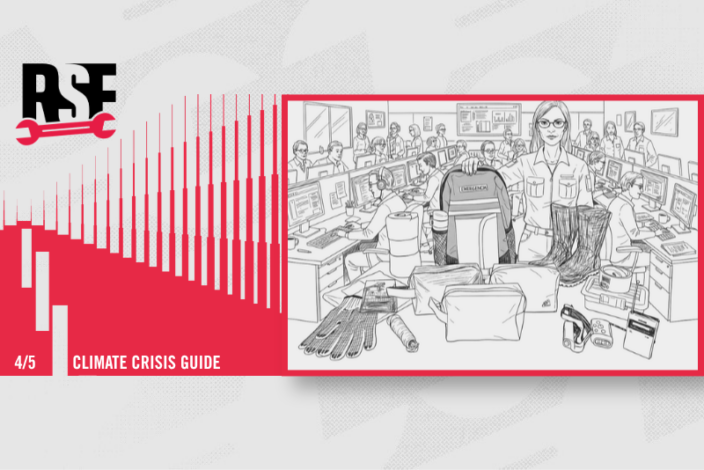

The list of equipment for covering extreme events suggested below has been organised into two levels of importance. The incorporation and selection of which equipment will be necessary will depend on the type of extreme event being covered by the journalist. Some of the suggested items require familiarisation before moments of crisis.
Priority 1
- Journalistic equipment:
-
- Waterproof camera.
- Microphone for mobile phone.
-
- Water: between 3 and 4 litres per person per day for at least three days, especially in situations where water sources may have been compromised. Also consider filter straws or purification tablets.
- Non-perishable food: focus on high-calorie items such as energy bars, canned goods (meat, tuna, fruit), nuts, dried fruit and peanut butter.
- First aid kit: bandages/dressings of various sizes, sterile gauze, eye dressings, antiseptic wipes/cream, painkillers (paracetamol, ibuprofen), adhesive tape, scissors, tweezers, disposable gloves and potentially a thermometer. Include personal prescriptions (at least for one week, ideally two), copies of prescriptions, and any specific medical needs.
- Torch/headlamp and extra batteries: essential when the power goes out. Consider LED models, which are durable and waterproof. A dynamo torch is a battery-free backup.
- Communication and power device:
-
- Mobile phone and charger: your primary method of contact.
- Power bank/extra batteries: critical for keeping phones charged when there is no power. Opt for a minimum of 10,000 mAh. Remember to bring them charged.
- Headphones: during street coverage, they are important for listening to audio and, depending on the context/noise in the environment, help you hear and understand better.
- Satellite phone: options in case the regular network fails.
- Portable battery-powered or hand-crank radio: to receive emergency broadcasts and weather updates.
-
- Cash: crucial when electronic payment systems fail.
- Important documents (copies and originals):
-
- Press ID/credential, driving licence, passport
- Insurance cards
- Birth certificate, vaccination records, important family documents
- Emergency contact lists (work and personal)
- Bank/credit card details
- Keep physical copies in a waterproof/fireproof bag and secure digital copies (encrypted cloud storage or separate device)
-
- Backpack: sturdy and easy to carry. Consider waterproof covers.
- Appropriate clothing and footwear:
-
- Sturdy, closed-toe, waterproof boots with ankle support. Avoid footwear that comes off easily. Wellies for areas of heavy flooding.
- Layers suitable for variable weather: rain jacket/poncho, hat (sun/heat), gloves, extra socks/underwear. Avoid flammable materials such as nylon. Natural fibres or moisture-wicking fabrics are generally best.
-
Priority 2
- Personal Protective Equipment (PPE), depending on the situation:
-
- Helmet: sturdy sports helmets (climbing, skateboarding) for civil unrest or disaster zones, and ballistic-grade helmets for conflict zones.
- Masks (dust/respirator): N95 masks or better (FFP2/FFP3) in contaminated air, dust or smoke. Full-face/half-face respirators with appropriate filters against gases (such as tear gas) and particles, but require a tight seal (no facial hair) and can be uncomfortable.
- Gloves: work gloves or nitrile gloves (latex-free).
- High-visibility vest: in low-light environments or near traffic/rescue operations.
-
- Sunscreen and insect repellent: especially in hot locations.
- Multitool or pocket knife: scissors, pliers, knife, screwdriver, can opener.
- Hygiene supplies: wet wipes, 70% alcohol hand sanitiser, soap, toilet paper, zip-lock bin bags, toothbrush/toothpaste, sanitary towels.
- Adhesive tape: for repairs or securing items.
- Whistle: metal whistle to signal for help if you are trapped or lost.
- Emergency blanket: lightweight thermal blanket for warmth/shock.
- Maps: physical maps of the local area in case of no internet signal.
- Notepad and pen/pencil: for when electronics fail.
- Waterproof lighter or matches: for lighting fires (if safe and necessary).
Access the full version of the Climate Crisis Safety Guide for journalists in Portuguese.